Hyperlocal Marketing: How to Reach Customers Right Where They Live
Learn what hyperlocal marketing is and how it can grow your business by targeting specific neighborhoods.

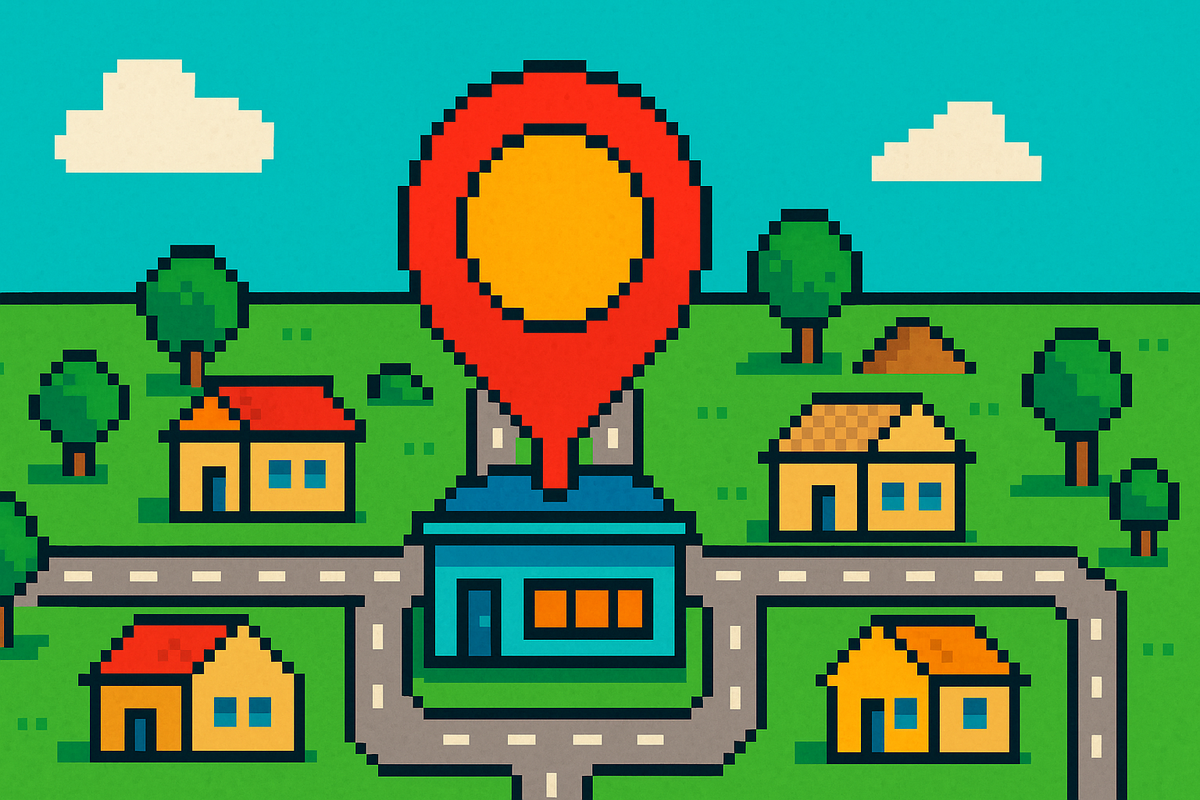
In today’s noisy digital world, most businesses waste ad dollars by casting too wide a net. Hyperlocal advertising flips that model on its head—focusing instead on specific neighborhoods, communities, and even street corners where your best customers live, work, and shop.
If you’re a small business, franchise, or service provider, hyperlocal marketing isn’t just a tactic—it’s a growth strategy. In this guide, we’ll break down what hyperlocal advertising is, why it matters, and how you can implement it effectively to grow your business.
What is Hyperlocal Advertising?
Hyperlocal advertising targets customers within a small, defined geographic area—sometimes as specific as a few blocks, a zip code, or a 1-mile radius around your business. Unlike broad digital campaigns, hyperlocal ads use location-based technology (like geofencing, GPS, and IP targeting) to make sure only nearby potential customers see your message.
Examples include:
- A coffee shop running ads that only show within half a mile of their location.
- A contractor targeting ads to specific gated communities known for high-value remodeling projects.
- A fitness studio running promotions to people within a few streets of their new location.
📖 Reference: What is Hyperlocal Marketing? (HubSpot)
Why Hyperlocal Marketing Works
- High Relevance – Ads feel personal when they speak directly to someone’s neighborhood or community.
- Reduced Waste – No more paying for impressions in cities or regions you don’t serve.
- Better Conversions – Customers are more likely to act if your business is close by.
- Builds Community Presence – Being visible “where people scroll” locally helps establish trust.
According to Think with Google display ads within a specific distance, 76% of people who search for something nearby on their smartphone visit a business within a day, and 28% of those searches result in a purchase.
Hyperlocal Advertising Channels
You can implement hyperlocal marketing across multiple channels. Some of the most effective include:
1. Google Ads (Local Search + Display)
- Run campaigns targeting search queries like “kitchen remodeling near me”.
- Use radius targeting to display ads within a specific distance of your location.
- Leverage HeyNeighbor to place banner ads on local news and lifestyle sites.
2. Geofencing & Mobile Ads
- Draw a virtual “fence” around a neighborhood, shopping plaza, or event venue.
- Show ads to people who enter that zone via apps, websites, or even later through retargeting.
up to date with reviews, photos, and accurate
3. Local SEO & Google Business Profile
- Optimize your site with local keywords (“Naples landscape lighting” vs. just “landscape lighting”).
- Keep your Google Business Profile such as income level, homeowner status, and up to date with reviews, photos, and accurate service areas.
- Use neighborhood-specific landing pages for better organic visibility.
4. Social Media (Meta, Nextdoor, TikTok)
- Facebook & Instagram allow ads narrowed to 1-mile radiuses.
- Nextdoor is built for neighborhood-level engagement.
- TikTok’s “interest + location” targeting can reach local, younger audiences.
5. Community & Review Platforms
- Encourage reviews on Google, Yelp, and hyperlocal tools.
- Sponsor local events, newsletters, or HOA bulletins.
Best Practices for Hyperlocal Advertising
✅ Pair Demographic & Geographic Targeting
Don’t just target a zip code—layer it with audience filters (such as income level, homeowner status, and age).
✅ Use Neighborhood Names in Copy
Ads that call out specific areas (“Now serving Grey Oaks and Pelican Bay”) feel highly relevant.
✅ Leverage Customer Data in HubSpot or CRM
Look at where your past customers live, then replicate success by targeting those same communities.
✅ Test Radius Sizes
Start with a 1-mile radius around your store. Expand slowly if you need more reach.
✅ Measure Visits, Not Just Clicks
Use tools like Google Analytics 4 and Looker Studio, such as to track conversions and in-store visits.
Real-World Example
Imagine you own an air conditioning company in Naples, FL. Instead of running broad “Florida” ads, you:
- Build a campaign targeting only gated communities, such as Grey Oaks, Pelican Marsh, and Port Royal.
- Use imagery of luxury homes in those neighborhoods.
- Add copy like: “Cool your Grey Oaks home this summer—book your free system consult.”
The results? Higher-quality leads, fewer wasted clicks, and stronger brand recognition among the people most likely to hire you.
Tools & Resources to Get Started
- HeyNeighbor Location Targeting
- Google Business Profile Setup
- HeyNeighbor Geofencing Ads
- HubSpot CRM for customer data segmentation
Final Thoughts
Hyperlocal advertising is no longer just a “nice-to-have.” It’s the most efficient way to connect with customers in your immediate area and stand out from competitors who are still spending on broad, generic campaigns.
By combining geographic precision with smart messaging, you can turn every neighborhood into your next growth opportunity.
👉 Want to dive deeper? Check out Think with Google’s Local Marketing Insights for more data and strategies.